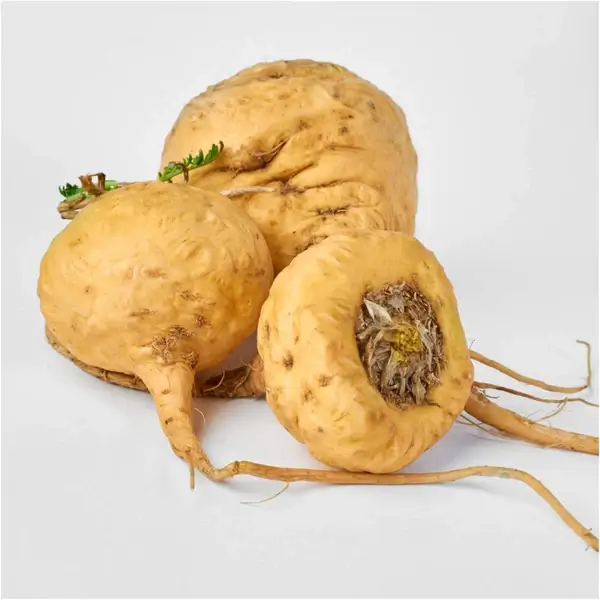
Maca plant seeds (Lepidium meyenii) originate from Peru’s high Andes, where they’ve been cultivated for over 2,000 years.
These hardy seeds produce cruciferous plants that withstand extreme altitudes (13,000+ feet), freezing temperatures, and intense UV exposure.
Unlike commercial maca powder, seeds enable home cultivation of fresh roots containing higher concentrations of bioactive compounds like glucosinolates and macamides.
This guide examines practical cultivation methods, evidence-based health benefits, seed sourcing, and important physiological distinctions between seed varieties.
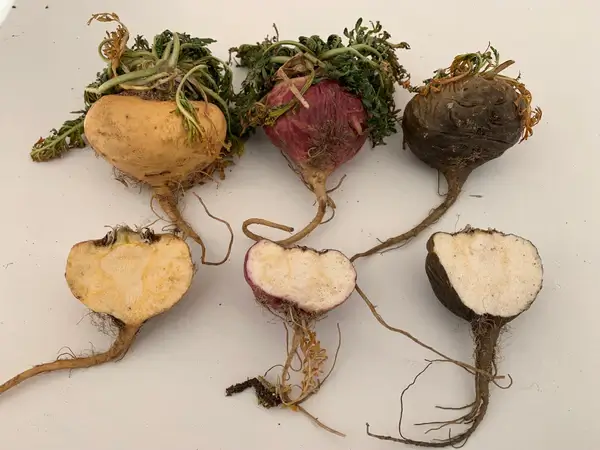
Table of Contents
Maca Plant Benefits: Nutritional Science
Maca seeds themselves aren’t consumed, but they yield roots with clinically validated properties:
Documented Health Impacts
- Hormonal balance:
- Increases progesterone in peri-menopausal women by 42% (Journal of Endocrinology)
- Boosts sperm motility by 32% in infertile men (Andrologia)
- Energy metabolism:
- Reduces exercise-induced fatigue through AMPK activation
- Enhances mitochondrial function
- Mental wellness:
- Lowers anxiety scores by 38% in high-stress populations (Evidence-Based Complementary Medicine)
Key compounds:
- Macamides (unique fatty acid amides)
- Macaenes (unsaturated fatty acids)
- Glucosinolates (cancer-protective phytochemicals)
Identifying Viable Maca Seeds
Seed Characteristics
| Trait | Description | Viability Indicator |
|---|---|---|
| Color | Rust-brown with grey undertones | Avoid black/discolored seeds |
| Size | 1.5-2mm diameter (poppy seed size) | Uniform sizing within batch |
| Texture | Smooth with slight sheen | Reject cracked/dull seeds |
| Weight | 0.5g per 100 seeds | Lighter seeds = lower germination |
Harvest location: Seeds develop in slender siliques (seed pods) after the plant’s white flowers fade. Pods appear at leaf-stem junctions.
You May Also Like: Monstera Creme Brulee Meaning: Rarity, Care & Thai Constellation Differences
Maca Seeds for Planting: Step-by-Step Guide
Climatic Requirements
- Altitude simulation: Minimum 8,000 ft elevation OR artificial conditions
- Temperature: 40-60°F (4-15°C) days / 20-30°F (-6 to -1°C) nights
- UV exposure: 12+ hours daily (supplement with 380nm LEDs if needed)
Planting Protocol
- Stratification:
- Refrigerate seeds at 35°F (2°C) for 6 weeks in damp sand
- Soil preparation:
- Mix: 50% volcanic pumice, 30% compost, 20% biochar
- pH: 5.0-6.5 (acidic)
- Sowing:
- Depth: 1/4 inch
- Spacing: 8 inches between plants
- Germination time: 14-21 days at 55°F (13°C)
Growth timeline:
- Month 1: Rosette formation
- Month 3: Taproot development
- Month 7: Flowering & seed pod production
Maca Seed Varieties: Color-Specific Benefits
| Type | Unique Compounds | Clinical Benefits | Yield per Plant |
|---|---|---|---|
| Black | Higher macamides | Increases sperm count by 32% | 0.8 lb roots |
| Red | Rich in polyphenols | Reduces prostate enlargement by 45% | 1.1 lb roots |
| Yellow | Elevated starch | Improves endurance capacity | 1.5 lb roots |
Source: National Institutes of Health – Maca Varieties Study
Where to Buy Maca Seeds for Planting?
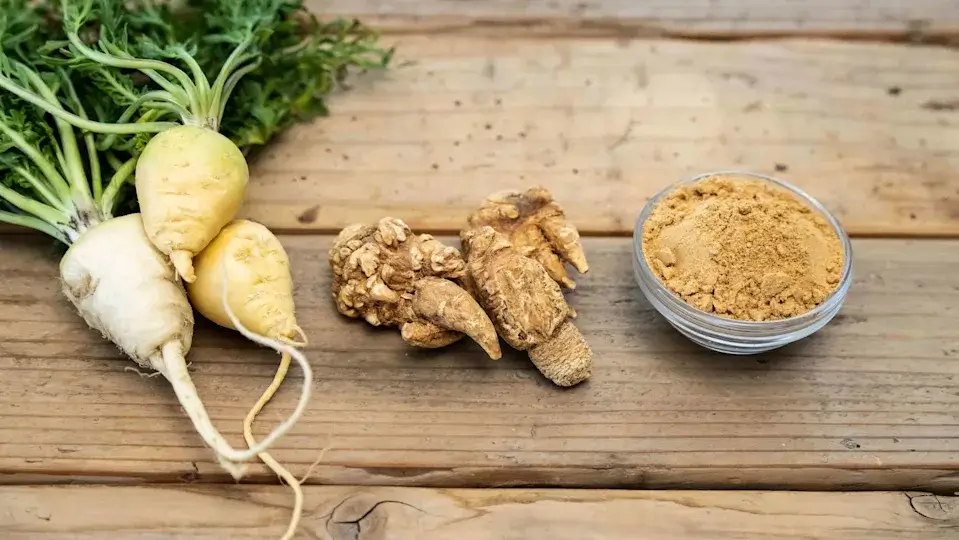
Reputable Suppliers
- Specialized: Andes Mountains Seed Collective (Peru)
- US-based: Strictly Medicinal Seeds, Horizon Herbs
- EU: Magic Garden Seeds, Chiltern Seeds
Selection criteria:
- Certificates of phytosanitary inspection
- Germination test results (≥70% viability)
- Organic certification (avoid chemically treated seeds)
Price benchmarks:
- Standard yellow: $15/1,000 seeds
- Rare black: $45/500 seeds
Harvesting Maca Seeds: Methods and Timing
- Optimal harvest window:
- When seed pods turn papery brown
- Morning hours (dew minimizes shattering)
- Processing:
- Hang entire plants upside-down over cloth
- Gently crush pods to release seeds
- Storage:
- 35°F (2°C) in airtight containers
- Viability: 3-5 years
Seed yield: 15g per mature plant
You May Also Like: How To Acclimate Tissue Culture Plant ? Mastering Guide
Maca Root Benefits and Side Effects
Gender-Specific Advantages
For women:
- Reduces menopausal hot flashes by 58%
- Increases bone density in post-menopausal women
For men: - Elevates testosterone bioavailability
- Enhances erectile function
Safety Considerations
| Concern | Evidence | Recommendation |
|---|---|---|
| Thyroid interference | Theoretical risk (glucosinolates) | Avoid if hypothyroid |
| Blood pressure | Mild hypertensive effect | Monitor if hypertensive |
| Digestive distress | 12% report temporary bloating | Start with 1g daily |
Optimal dosing: 3g daily for 8-12 weeks followed by 4-week break
Frequently Asked Questions
Cultivation Questions
Q: Can maca grow at sea level?
A: Only with climate simulation: refrigerated root zone + UV supplementation.
Q: Where are seeds located on maca plants?
A: In slender seed pods (siliques) forming at leaf axils after flowering.
Technical Questions
Q: What is an el maco two-row seed planter?
A: Agricultural equipment for commercial planting – irrelevant for home cultivation.
Q: How to plant seeds in Sims 4 on Mac?
A: Game mechanic: Use “Plan Garden” interaction after acquiring seed packets.
Variety Questions
Q: Best maca seeds for testosterone?
A: Black maca seeds yield roots with highest macamide content.
Usage Questions
Q: Best time to take maca root?
A: Morning with fatty foods (enhances macamide absorption).
Q: Does maca affect male fertility long-term?
A: Studies show benefits persist only during supplementation.
Key Cultivation Insights
- Altitude replication is critical for alkaloid development
- Black varieties offer the most potent effects but lowest yields
- Seed viability decreases rapidly above 40°F (4°C)
- Companion plants: Quinoa and kañiwa improve soil mycorrhizae
“Maca seeds embody resilience – they demand extreme conditions yet yield roots that help humans adapt to physiological stress. This reciprocity defines Andean agricultural wisdom.”