The pea family encompasses over 19,000 species worldwide, including edible beans and ornamental plants.
However, certain species produce potent toxins as natural defenses, posing severe risks to humans and animals. In Florida’s subtropical environment, these poisonous varieties thrive in gardens, coastal areas, and disturbed sites.
Understanding their identification, toxin mechanisms, and regional prevalence is critical for safety.
This guide examines lethal species like rosary pea and locoweed, explains their biochemical weapons, and provides evidence-based safety protocols for Florida residents.
Table of Contents
Discover Poisonous Pea Family Plants in Florida
Rosary Pea (Abrus precatorius)
- Identification: Slender vine with pink flowers; seeds are scarlet with black eyes
- Toxin: Abrin (protein synthesis inhibitor)
- Risk: One chewed seed can kill an adult 16
- Habitat: Disturbed sites, roadsides, coastal areas

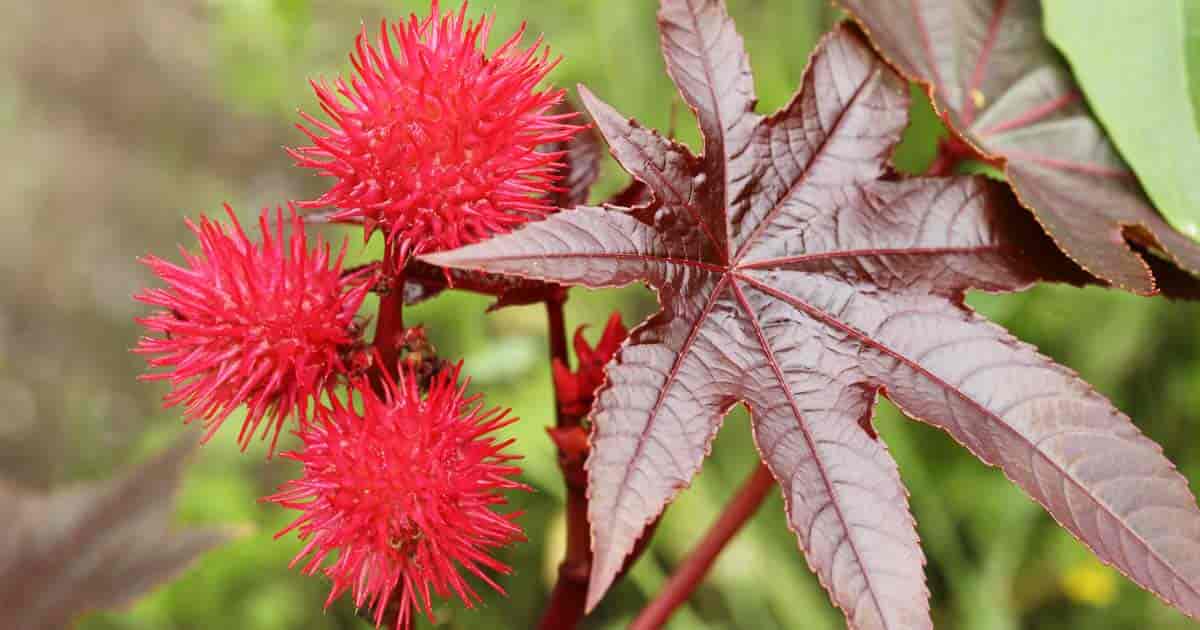
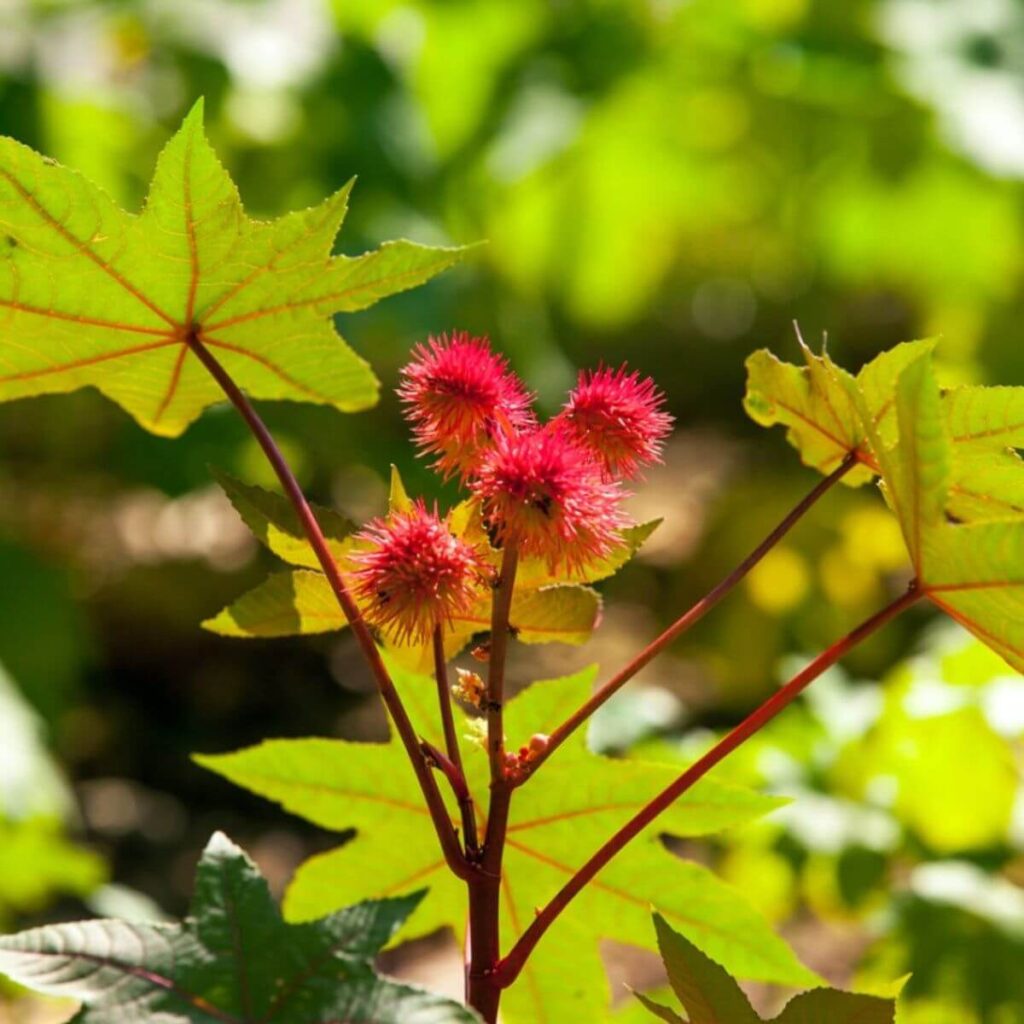
Castor Bean (Ricinus communis)
Note: Often confused with pea plants but belongs to Euphorbiaceae
- Identification: Large leaves with spiky seed pods
- Toxin: Ricin (6,000x more toxic than cyanide) 67
- Risk: Fatal gastroenteritis from 1-2 seeds
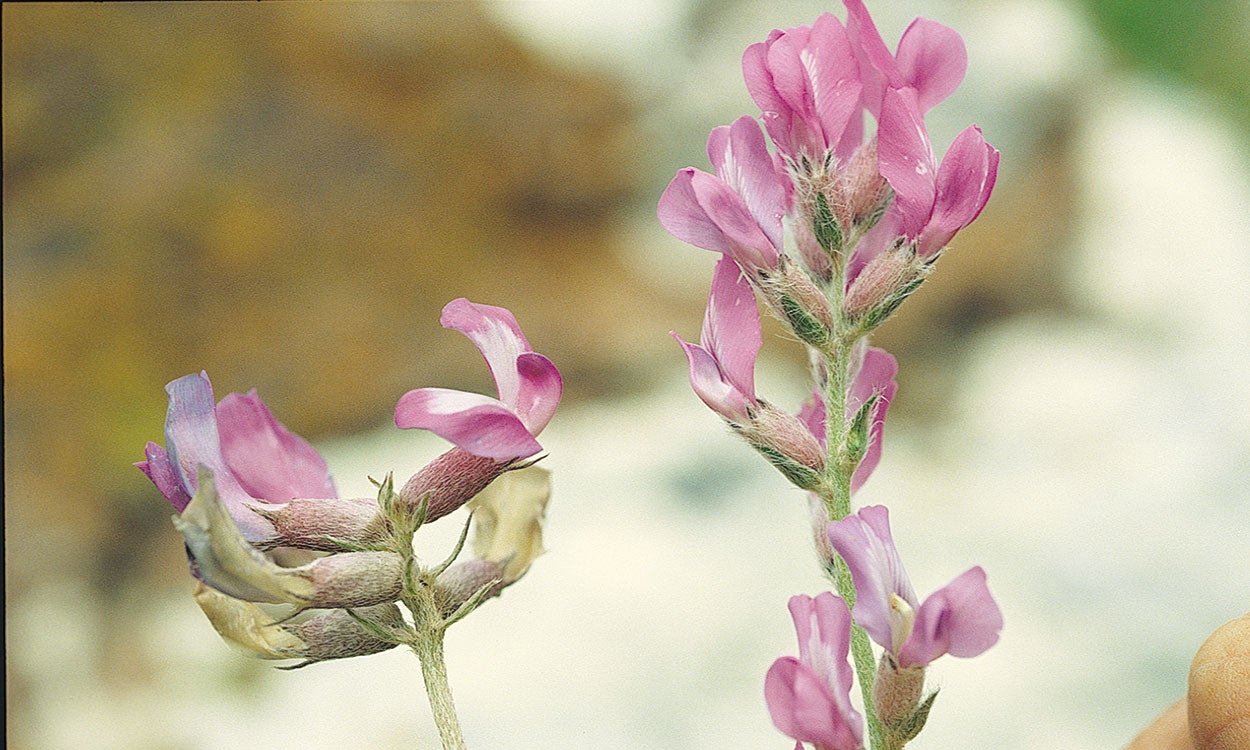
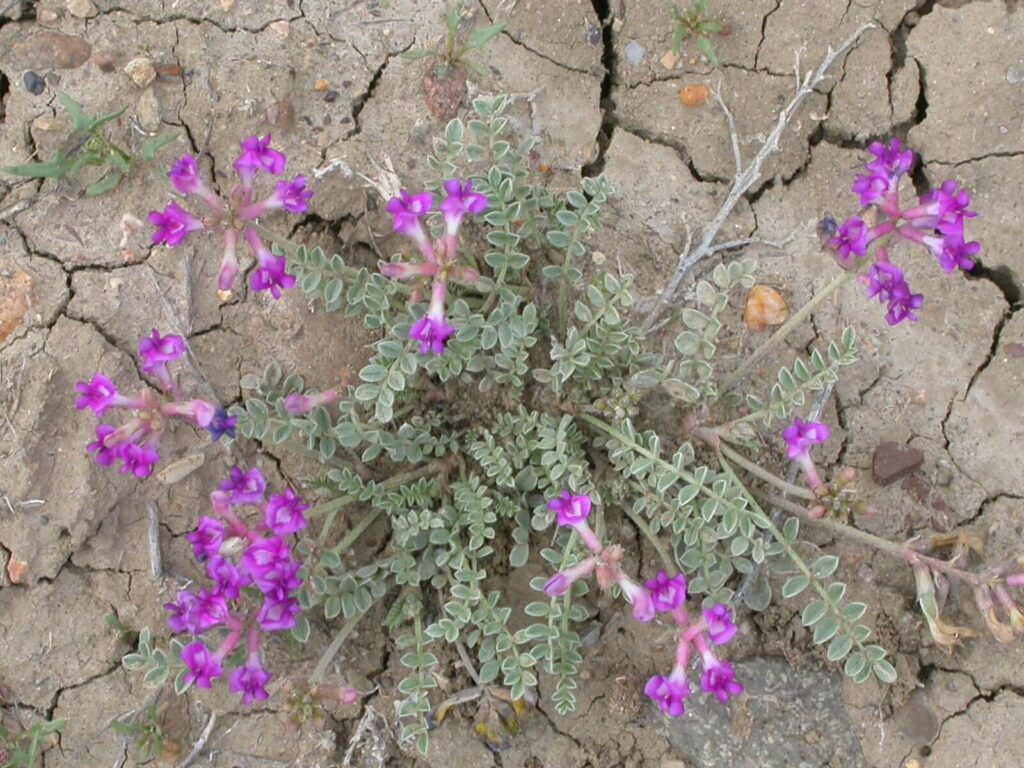
Locoweed (Astragalus/Oxytropis spp.)
- Identification: Low-growing with purple flowers; silvery hairy leaves
- Toxin: Swainsonine (neurological disruptor)
- Risk: “Locoism” in livestock: staggering, weight loss, death
Toxin Mechanisms and Effects
| Toxin | Action in Body | Symptoms Timeline |
|---|---|---|
| Abrin | Stops protein synthesis in cells | 1-3 days: Vomiting, seizures, multi-organ failure |
| Ricin | Destroys ribosomes | 6-12 hours: Bloody diarrhea, tachycardia, death within 36-72 hours |
| Swainsonine | Inhibits cellular enzyme function | Weeks: Neurological deterioration, paralysis |
Critical Note: Rainwater washing over rosary pea vines concentrates abrin in runoff, creating secondary exposure risks 7.
You May Also Like: Watermelon Peperomia Benefits: Air Purification, Pet Safety & Care Tips
Identification of Poisonous Pea Family: Leaves, Seeds, and Flowers
Key Visual Markers
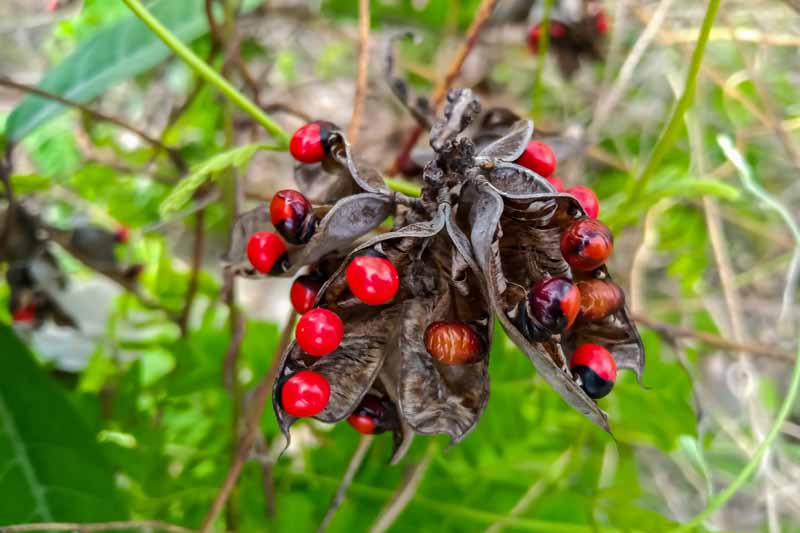
- Rosary pea:
- Compound leaves with 5-15 leaflet pairs
- Seed pods split open to reveal red-black seeds
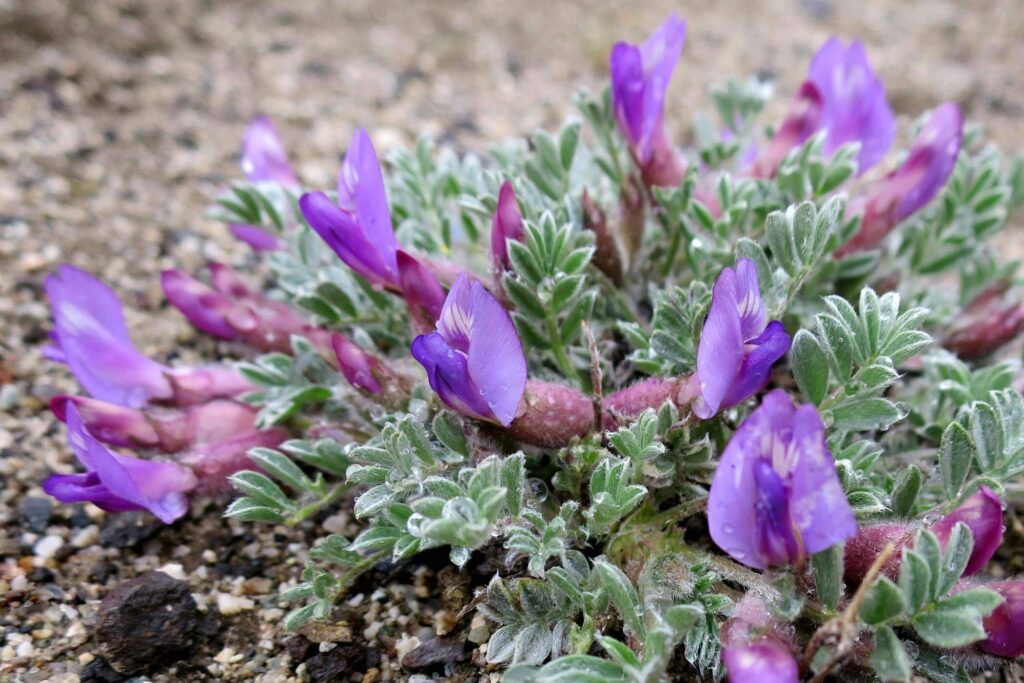
- Locoweed:
- Silver hairs on stems and leaves
- Distinctive pea-like flowers in blue/purple
- Castor bean:
- Star-shaped leaves (not compound)
- Spiny green seed capsules
Regional Hotspots:
- South Florida: Rosary pea invasions in pinelands
- Central Florida pastures: Locoweed proliferation
- Coastal areas: Castor bean near beaches 10
Exposure Routes and First Aid
Emergency Protocols
For seed ingestion:
- Donot induce vomiting (risk of toxin release)
- Rinse mouth with cold water
- Seek immediate medical help – request abrin/ricin antibody test
For skin contact:
- Wash with cold water and dish soap (breaks down oils)
- Avoid scrubbing (prevents abrasion-based absorption)
For eye exposure:
- Flush with saline for 15 minutes
- ER visit for corneal damage assessment
You May Also Like: 5 Reasons Your Chinese Money Plant Develops Yellow Leaves
Crossword Clues: Decoding “Loco” and Other Terms
Common crossword answers for “poisonous plant of the pea family”:
- 4 letters: LOCO (refers to locoweed)
- 5 letters: ABRUS (rosary pea genus)
- 8 letters: LOCOWEED
Botanical Confusion: “Loco” specifically denotes Astragalus mollissimus and Oxytropis lambertii species causing neurological damage in grazing animals 8.
Livestock Risks in Florida Pastures
High-Risk Species
| Animal | Vulnerable Plant | Lethal Dose |
|---|---|---|
| Horses | Locoweed | 0.5% body weight over 2 weeks |
| Cattle | Rosary pea | 3 seeds |
| Goats | Castor bean | 0.5g seeds/kg |
Pasture Management Tips:
- Remove pea family weeds before seeding grasses
- Soil test for abrin/ricin residues if plants previously grew
- Use herbicide treatments: Triclopyr for young plants 8
Frequently Asked Questions
Crossword Clues
Q: What’s the 4-letter poisonous pea plant starting with “LO”?
A: LOCO – refers to locoweed species.
Q: Poisonous plant of the pea family crossword clue answer?
A: Common solutions: LOCO (4 letters), ABRUS (5 letters), LOCOWEED (8 letters).
Toxicity Questions
Q: Are all pea family plants poisonous?
A: No – edible peas (Pisum sativum) and beans are safe. Toxicity depends on species-specific compounds.
Q: Can touching rosary pea cause poisoning?
A: Yes – sap contains abrin. Always wear gloves when handling 6.
Q: Is castor bean actually a pea family plant?
A: No – it belongs to the Euphorbiaceae family but is often confused due to “bean” nomenclature.
Livestock Concerns
Q: Why is locoweed called “loco”?
A: Spanish for “crazy” – refers to neurological symptoms in poisoned animals.
Q: Can horses recover from locoweed poisoning?
A: Early intervention may reverse symptoms, but chronic exposure causes permanent damage.
Key Safety Recommendations
- Landscaping: Remove rosary pea vines using protective gear
- Foraging: Avoid wild peas with red/black seeds
- Pastures: Survey for locoweed before grazing seasons
- Emergency Prep: Keep activated charcoal on hand for toxin binding
“The deadliest pea plants weaponize beauty – their jewel-like seeds invite touch, but deliver biochemical warfare at the cellular level.”
You May Also Like: Maca Plant Seeds: Health Benefits, Cultivation Guide & Sourcing